
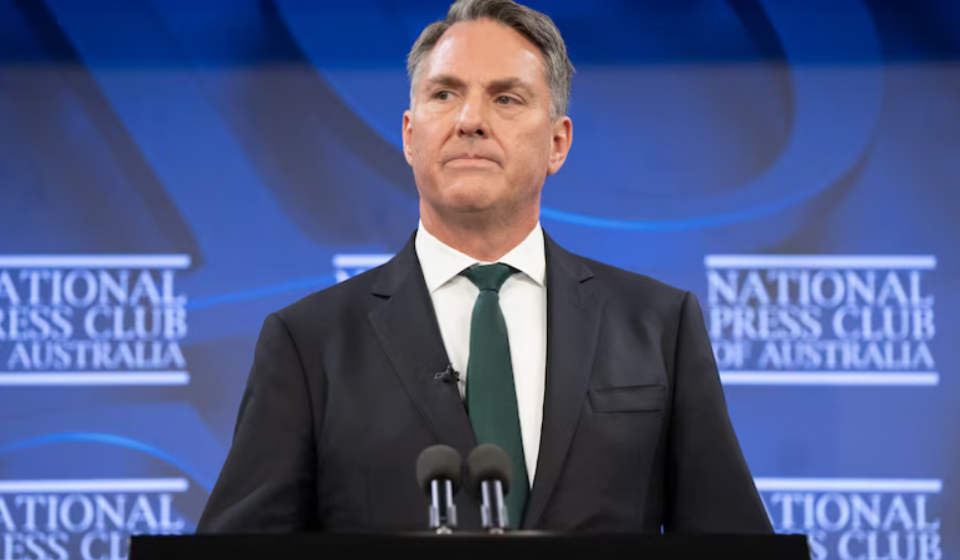

Richard Marles has emerged as one of Australia’s most influential political figures in the realm of national security and defence policy. As Deputy Prime Minister and Minister for Defence, Marles occupies a central role in shaping Australia’s strategic posture during a period marked by geopolitical uncertainty and intensifying regional competition.
Born in 1967 in Geelong, Victoria, Marles’ early career was rooted in law and union advocacy. Before entering federal politics, he worked as a solicitor and later held leadership roles within the Australian Council of Trade Unions (ACTU). This background in industrial relations provided him with a strong foundation in negotiation, consensus-building, and institutional governance—skills that would later define his political approach.
Marles entered the Australian Parliament in 2007 as the Member for Corio, a seat he has held consistently. Over the years, he built a reputation within the Australian Labor Party as a pragmatic and disciplined operator. His rise through the party ranks was steady rather than meteoric, reflecting a political style grounded in methodical planning rather than populist appeal.
His appointment as Minister for Defence in 2022 marked a turning point in his career. At a time when Australia faces complex strategic challenges—particularly in the Indo-Pacific region—Marles has focused on strengthening alliances, modernizing defence capabilities, and reinforcing Australia’s commitment to regional stability. His work has been closely associated with the AUKUS security partnership between Australia, the United Kingdom, and the United States, particularly regarding the acquisition of nuclear-powered submarines.
Marles is widely regarded as a strategic thinker who prioritizes long-term planning over short-term political gains. His emphasis on alliance-building has seen him engage extensively with key partners, including the United States, Japan, and Southeast Asian nations. Through these efforts, he aims to position Australia as a reliable and proactive contributor to regional security frameworks.
Domestically, Marles has also faced scrutiny and challenges. Defence spending, procurement timelines, and transparency in military investments remain subjects of ongoing debate. Critics have questioned the economic and strategic implications of major defence commitments, while supporters argue that such investments are necessary in an increasingly uncertain global environment.
Despite these challenges, Marles’ leadership style is characterized by restraint and careful deliberation. He tends to avoid inflammatory rhetoric, instead opting for measured communication that reflects the seriousness of his portfolio. This approach has contributed to his image as a stabilizing figure within the government.
As Australia navigates a rapidly evolving geopolitical landscape, Richard Marles stands at the forefront of its defence and security strategy. His ability to balance diplomatic engagement with military preparedness will likely define not only his legacy, but also Australia’s role in the Indo-Pacific for years to come.